
One Wall, Zero Chaos: The Family Command Center
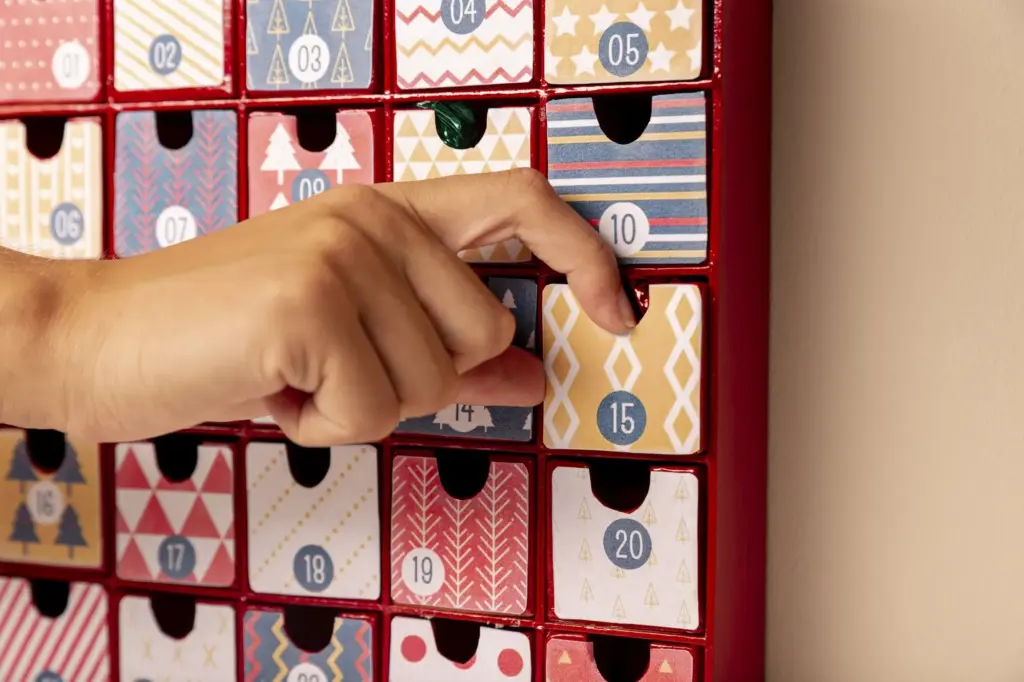

Find the Right Spot and Shape the Flow
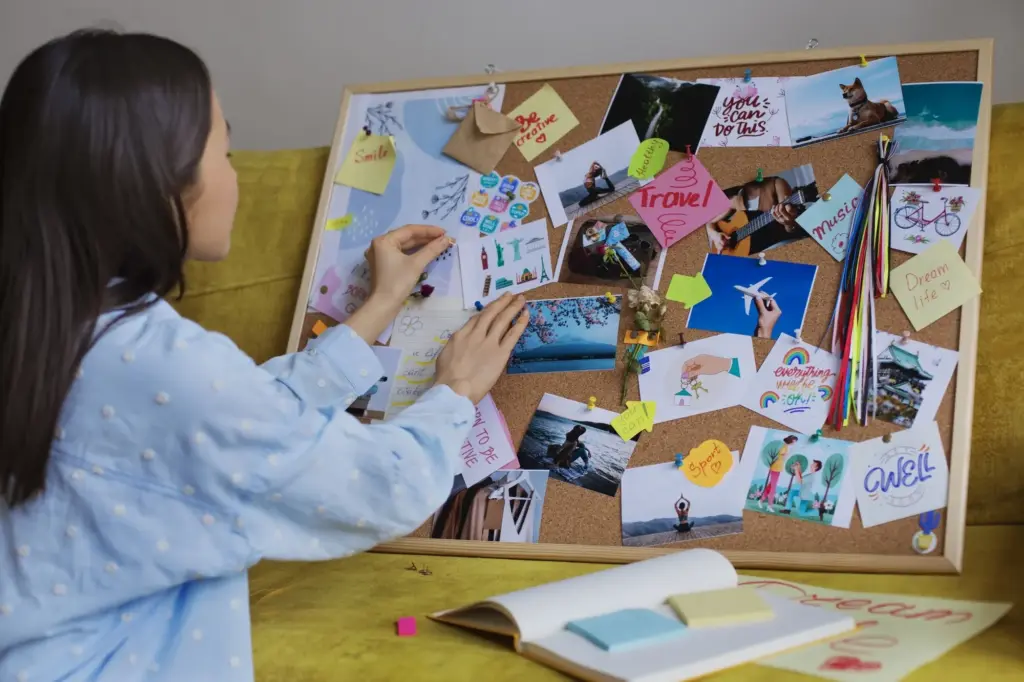

Essential Pieces That Keep Everyone in Sync
Design Cues That Speak at a Glance
Color Codes with Meaning
Let colors carry cues beyond names. Blue could signal school, green health, red deadlines, and yellow social fun. Keep a legend posted until habits stick. For color-blind family members, pair hues with shapes or textures—dots, triangles, raised stickers—so the system remains friendly and truly inclusive.
Icons, Photos, and Labels
Quick visual anchors calm rushed brains. Add tiny icons beside repeating activities, print photos of after-school pick-up spots, and label bins with both words and images. Younger readers feel capable, while adults stop guessing. Laminate high-touch cards so peanut-butter fingers cannot dismantle the plan before dinner.
Accessibility for Every Age
Mount the calendar at adult eye level but place checklists and chore clips where kids can reach. Use large fonts, soft-close hardware, and rounded corners. Consider dyslexia-friendly typefaces and matte finishes to reduce glare. When everything feels reachable, participation rises naturally without nagging or repeated reminders.
Bridge the Analog Board with Digital Tools

Rituals That Turn a Wall into a Habit
Five-Minute Morning Huddle
Gather near the board with toast in hand. Confirm rides, review after-school plans, and choose one priority each. Keep it brisk and friendly; end with a goofy chant or fist-bump. That tiny ritual signals partnership, lowering stress while teaching time awareness and personal accountability.
Sunday Reset with Snacks
Make planning cozy so people show up. Lay out markers, sticky notes, and popcorn. Refill printer paper, sort the inbox, and pencil birthdays. Look back at last week’s pinch points, then adjust carpools or meal plans. End by posting highlights to inspire momentum for Monday’s start.
Recognition, Rewards, and Real Consequences
Notice the effort more than the outcome. Praise a checked box, a polite reminder, or a sibling assist. Keep rewards modest and immediate; pair missed chores with natural consequences. When accountability feels fair, kids internalize responsibility, and the wall becomes a shared tool instead of a scoreboard.
Keep It Alive: Review, Refresh, and Grow
All Rights Reserved.